Bonnyville, Alberta, Canada
Precision grazing with eShepherd in Alberta's drylands
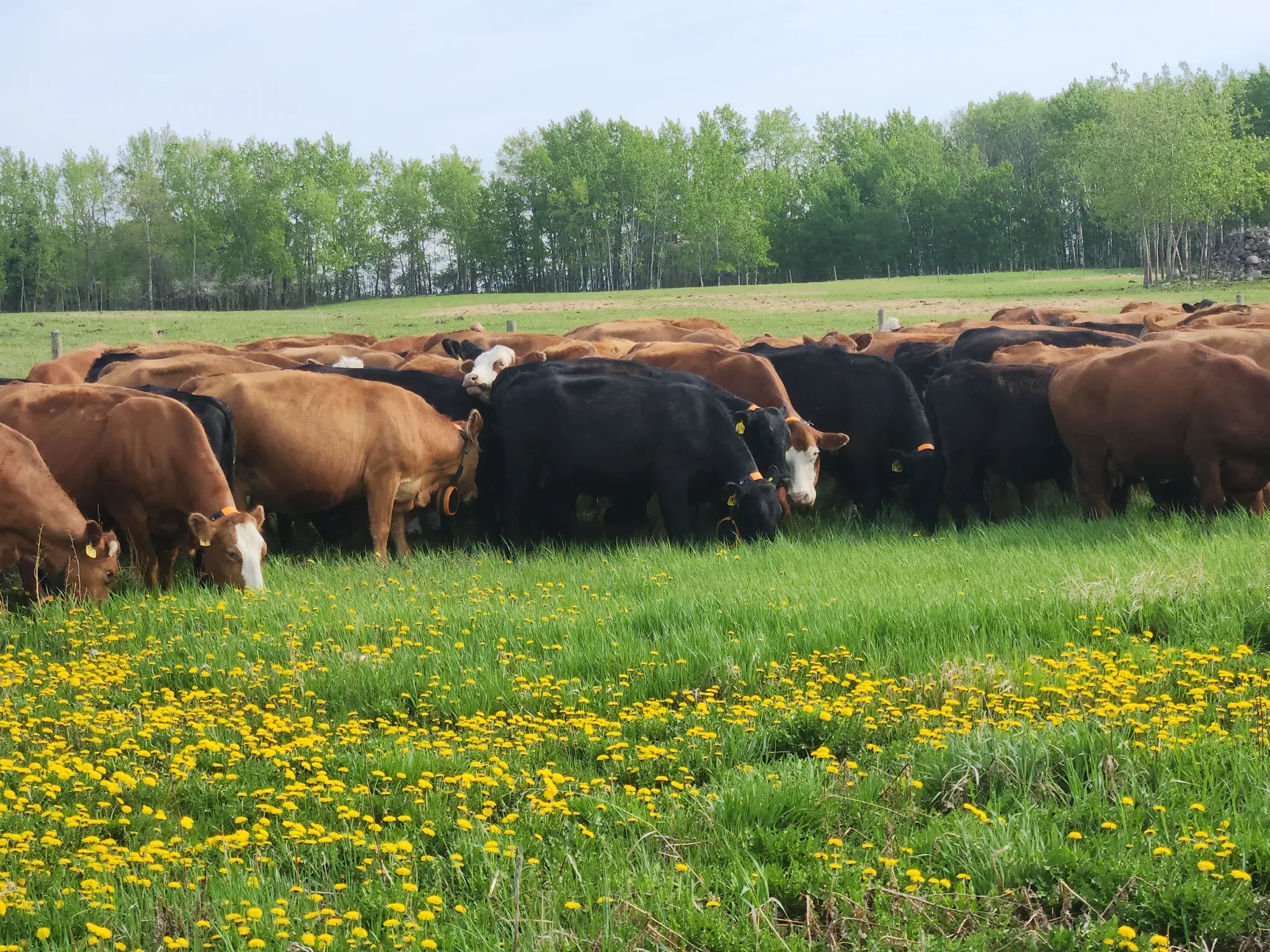
Ultra-high-density rotational grazing on dry Alberta country — 300 animal units, four moves a day, half-acre paddocks.
Virtual fencing for cattle
Solar-charged GPS neckbands. Audio-first welfare protocol. Mix cellular and LoRa coverage on one property. Built by Gallagher Animal Management — livestock infrastructure since 1938.
eShepherd is operating on Canadian cattle operations from British Columbia to Alberta. Barrington Ranch in BC was among the first in Canada to use digital fencing — 150 head on 7,500 ha, in partnership with Thompson Rivers University on research into rotational grazing outcomes. Nick Kunec runs ultra-high-density rotational grazing on dry Alberta country: 300 animal units, four moves a day, half-acre paddocks. Canadian operations span extensive rangeland in the prairies, hill country in BC, and Crown lease land where physical fencing is impractical to install or recover at lease-end.
Hardware-only per-head tiers in CAD. Quote in your own currency at the quote builder; payback at the ROI calculator.
| Head count | Per-head price (CAD) |
|---|---|
| 4–19 | C$480 |
| 20–59 | C$415 |
| 60+ | C$350 |
| LoRa base station (when cellular won't reach) | C$5,000 |
| Monthly subscription per neckband (cellular) | C$2.50 / month |
| Monthly subscription per neckband (LoRa) | C$2 / month |
eShepherd cellular runs on Telus, Rogers and Bell Cat-M1 / NB-IoT bands. IoT cellular has better rural coverage than the bands your phone uses. Where the map drops out in extensive northern country, LoRa base stations bridge the gap.
eShepherd is one of four serious virtual fencing collars working on commercial cattle operations today. The most relevant head-to-head for Canada: eShepherd vs Vence. Cross-system overview: How eShepherd compares to other virtual fencing solutions. Long-run economics: Virtual fencing total cost of ownership.
A specialist will scope your herd, terrain, coverage, and rollout — in Canada.