USE IT FOR
Conservation grazing
Cattle have been a land management tool for as long as people have run them. Software boundaries finally make the targeting precise enough to be a strategy. Fire-fuel reduction, weed control, corridor management, biodiversity outcomes. The herd becomes the tool.
Cattle have been a vegetation tool since long before they were a commercial product. The country knows what to do with them. A mob hits a block hard for a week, knocks the load down, drops the manure, walks on. The country rests, the regeneration starts, the system works.
The problem has always been precision. A physical fence carves the country into rectangles that suit the boundary, not the objective. A creek bend that needs three days of pressure on one face and zero on the other has no fencing solution that doesn't cost more than the work is worth. A roadside corridor that needs grazing once a year for two weeks doesn't justify the post-and-wire job, so it gets
So the work that should be done by animals gets done by herbicide,
The boundary lives where the objective lives.
Around the weed patch, not around the paddock. Along the roadside corridor, not along the contour. Through the fuel-reduction strip, not through the gate the fencer happened to put in twenty years ago. The cattle work the country that needs working, and they don't touch the country that doesn't.
A base station deploys onto site, often on infrastructure that's already there. The neckbands hold the animals to the objective. The mob walks in, does the work, walks out. The infrastructure leaves on the truck. The country that was treated stays treated, the country that wasn't was never touched, and the manager has a data trail that proves both.
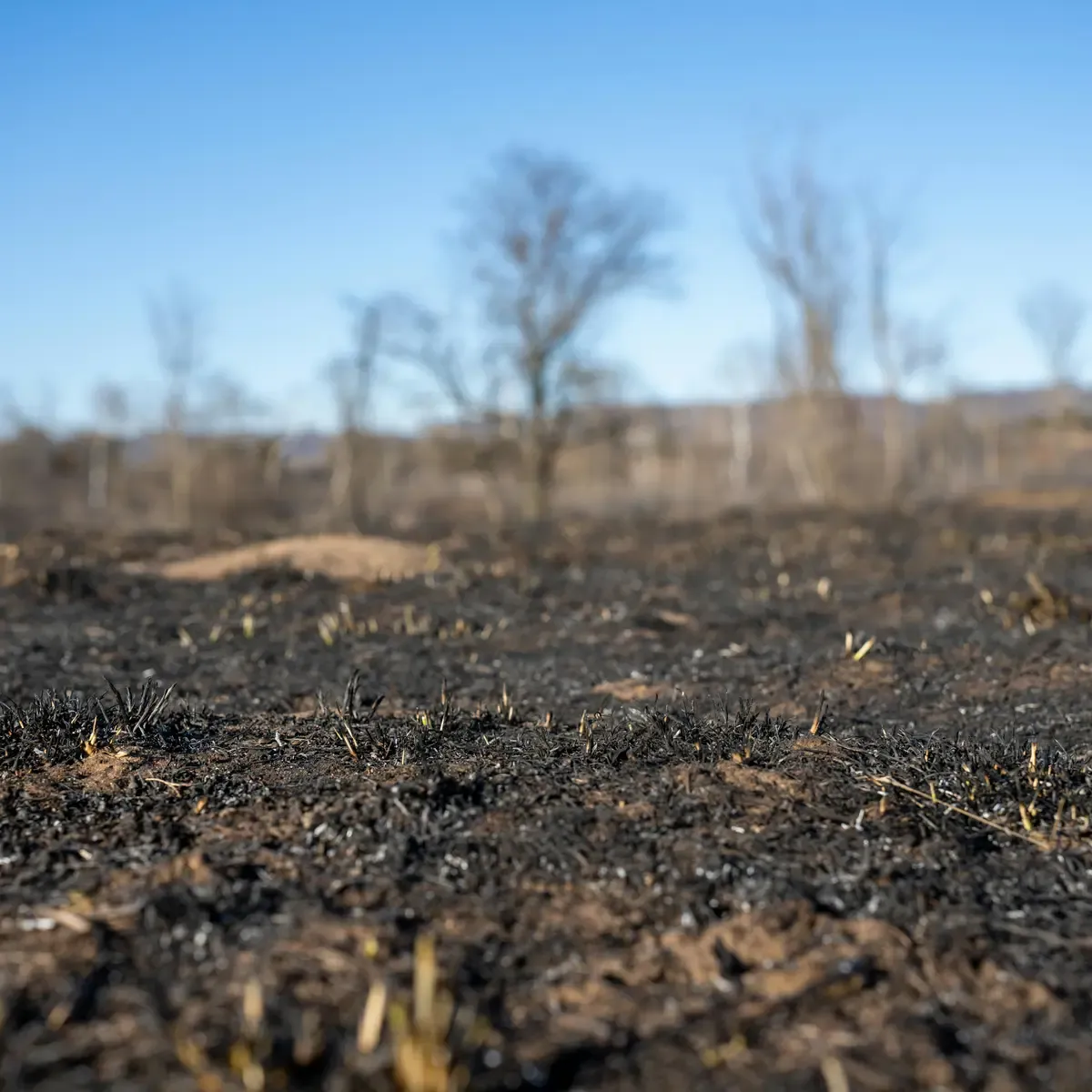
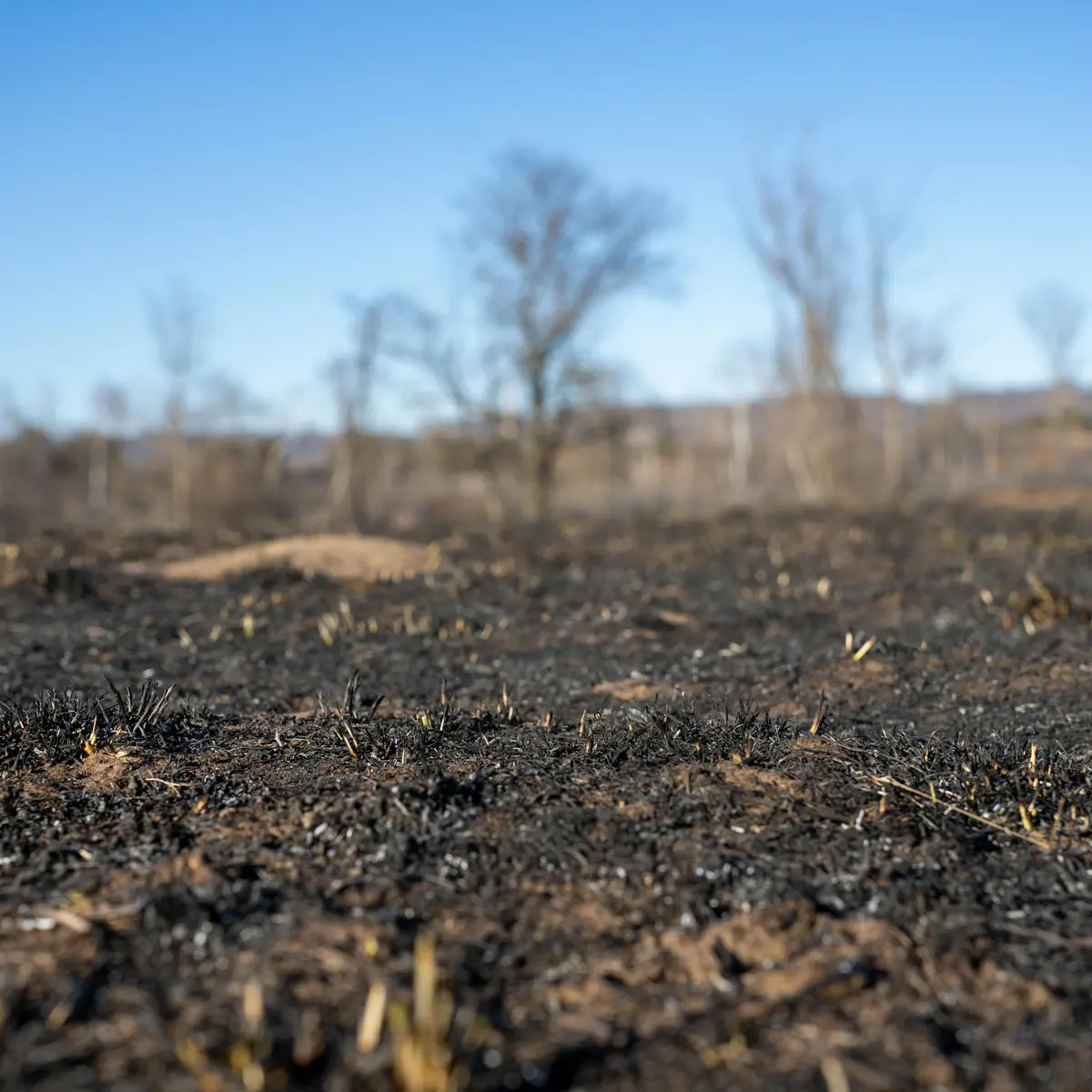
Fire-fuel reduction. Fuel loads build in the country no one grazes. That's most of the country no one wants to graze.
The roadside reserve. The strip between the powerline and the boundary. The face above the township. The block of public land that was deemed too rough to subdivide. Each of them carries the fuel that turns a small fire into a serious one, and each of them is impractical to fence.
A mob run through a strategic fuel break does in a fortnight what a
The work happens before fire season. The risk drops. The contractor invoice doesn't arrive.
Targeted weed control. Some weeds respond to cattle. Blackberry, gorse, broom, lantana, serrated tussock, leafy spurge, knapweed — every region has its list, and every list has at least a few that a well-timed graze suppresses better than spraying.
The problem is timing. The weed needs pressure at a specific growth stage, often for a short window. Cattle pushed onto a weed patch at the wrong time achieve nothing; pushed at the right time, they shift the competitive balance in favour of the desired species.
eShepherd makes the timing actually targetable. Draw the boundary around the infestation. Hold the mob inside it for the days the weed is vulnerable. Pull them out before they start grazing the desirable understorey or moving onto pasture you don't want them on. The pressure lands where the weed needs it, and only there. No spray drift. No off-target damage. No herbicide residue.
Across a multi-year program, the weed retreats. The desirable species fill in. The country that needed restoring restores itself with the animals doing the work.
Infrastructure corridors. Roadsides. Powerline easements. Pipeline corridors. Rail reserves. Firebreaks around townships and critical infrastructure.
This is country that needs regular vegetation management and almost never gets grazed, because the fencing economics don't work. Most of it gets
A small mob, deployed with virtual boundaries that match the corridor exactly, replaces the
For the operator, conservation grazing contracts on public corridors become a real revenue line that doesn't require buying land. The base station moves with the mob, the lease lasts as long as the contract, and the operator builds a separate income stream on country they couldn't otherwise access.
Biodiversity and native vegetation. The hardest conservation work is targeted disturbance. Some ecosystems need grazing. Native grasslands, certain wetlands, fire-adapted shrublands — many of them evolved with grazing pressure and decline without it. The conservation problem isn't always too many cattle. Sometimes it's none.
A virtual boundary lets the manager apply the right amount of pressure to the right area for the right window, and zero pressure to the rest. Run the mob through a native pasture for the four days the litter needs trampling and the seed bank needs hoof contact. Then pull them out and lock the country off for the eight months the regeneration needs to compound. Repeat next year on a different block.
The data trail records every minute the animals were on the block, every cell shift, every return. The kind of evidence biodiversity programs, threatened-species offsets, and restoration contracts have always wanted and rarely had.
For the land manager, the cost of vegetation management drops and the quality of the outcome lifts. For the agency, the data trail makes the management defensible to the public, to auditors, and to the budget. For the operator running conservation grazing as a service, public and conservation land becomes a new line of business that doesn't require any capital investment in infrastructure.
The animal becomes a tool. The tool becomes a service. The service becomes a market.
And the country that was being managed by herbicide,
The herd does the work.
The boundary keeps it where the work needs doing.