USE IT FOR
Rough country
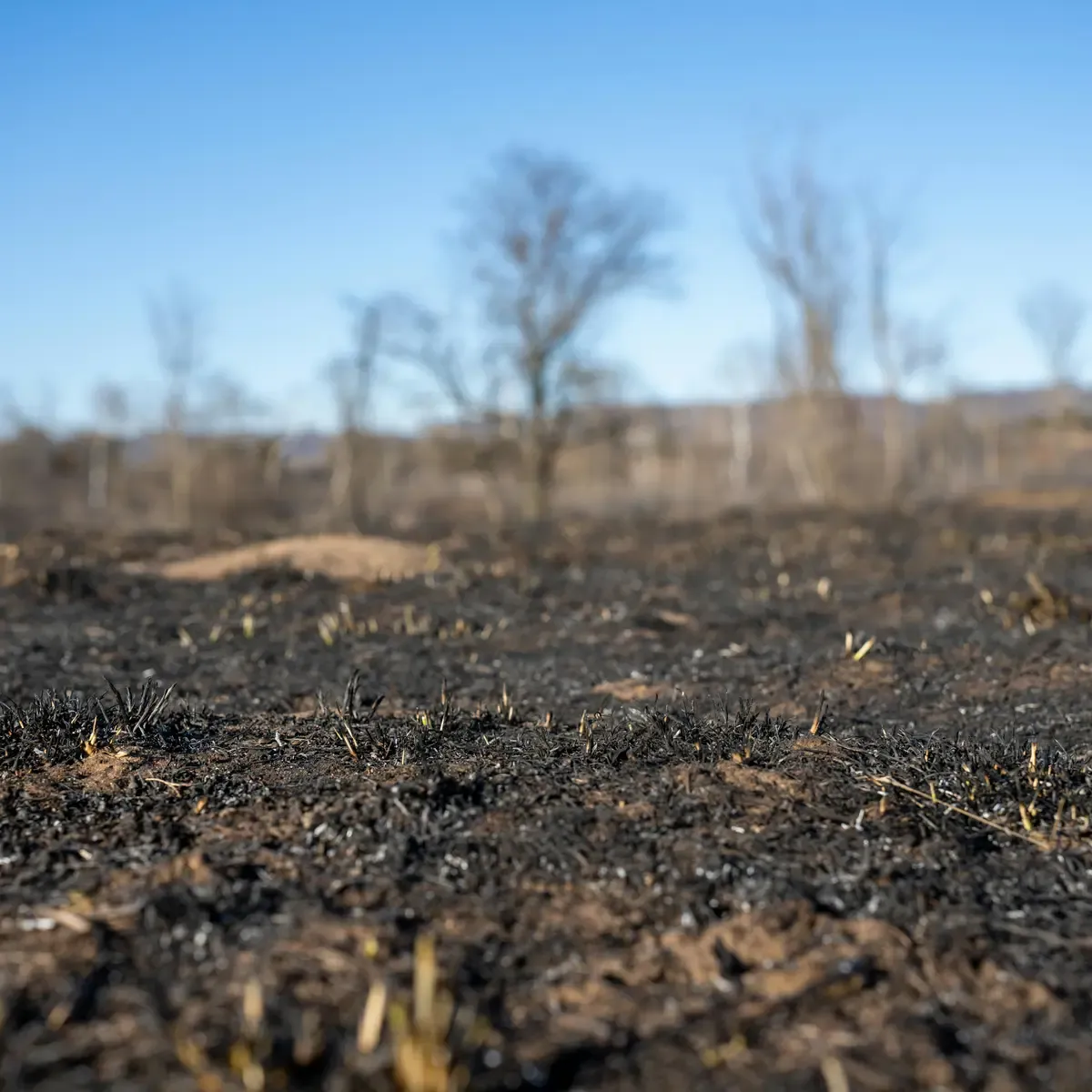
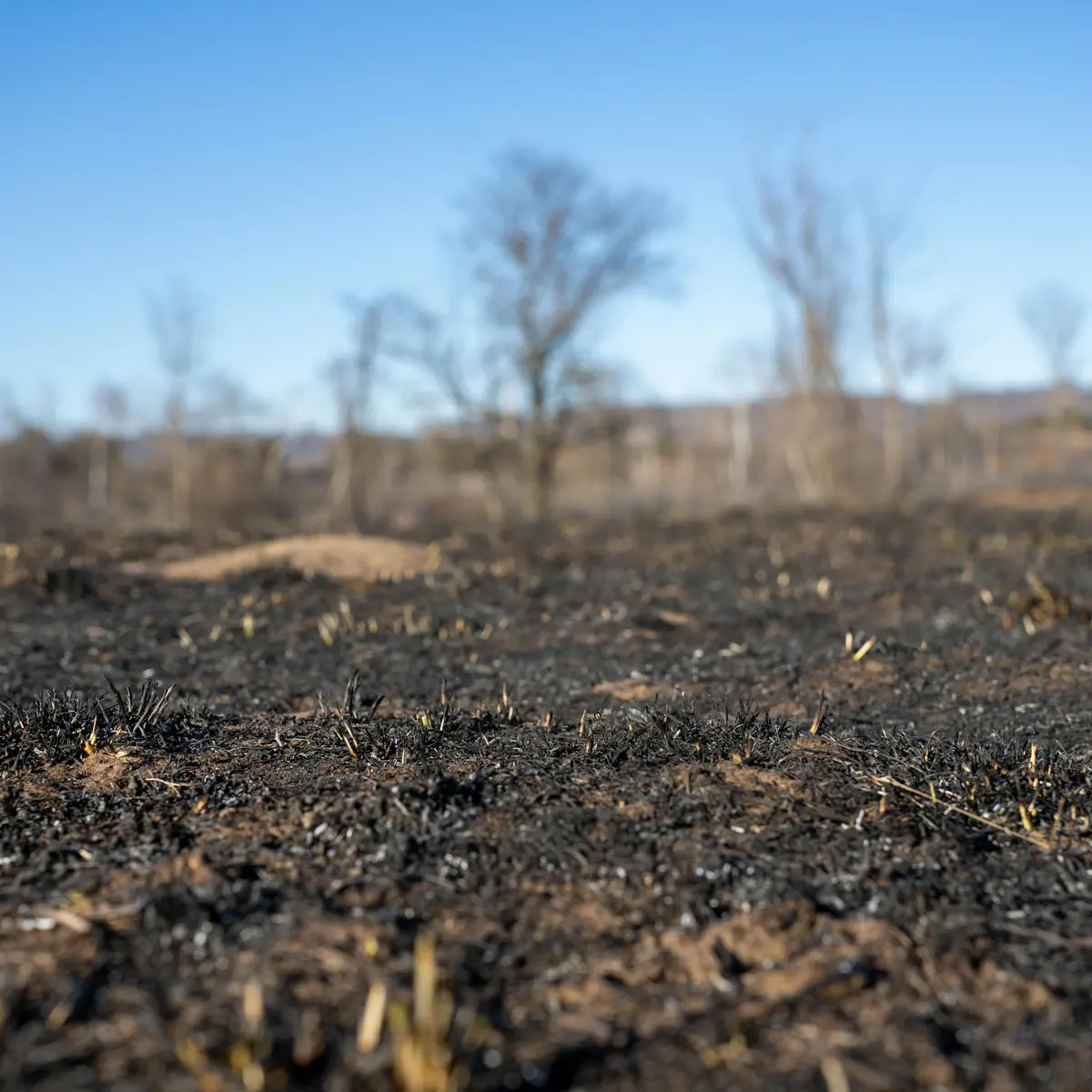
Steep, broken, timbered, remote. The country that's hardest to fence is usually the country worth running, and it's been managed by what the operator can see and reach. eShepherd changes that.
The country that's hardest to fence is usually the country worth running. Steep faces hold more feed per acre than the flats below them. Timber country shelters cattle through weather. Broken ground runs the kind of grass that wouldn't grow on smooth paddocks. The rough country is part of what makes the operation work.
It's also the country that gets managed by what someone can see from the saddle, the side-by-side, or the kitchen window. Cattle drift to the easy feed and stay there. The hard faces never get touched. The gully systems run themselves. The back country gets
The infrastructure gap is the reason. Running a fence across contour is two to three times the cost of running it on a flat. Maintaining it through a winter on a steep face is its own line item. And the fences that did get built are usually the ones that go around the easy country, not through the rough.
So the operator owns the country,
Software boundaries don't care about contour.
A line drawn across a steep face costs the same as a line drawn across a flat. The boundary follows the country instead of fighting it. The gully system gets subdivided properly. The timbered shelter gets locked off for the months it needs to recover. The hard face that's never been touched comes into rotation for the first time.
The animals walk to the boundary, hear the audio cue, and turn — the same way they learn any piece of country. The infrastructure stops being the constraint. The country comes back into the operation in proportion to its actual value, not in proportion to what was cheap to fence.
This is where the rough-country case gets specific.
Cellular doesn't reach into a lot of this country. Carrier maps look good on the website and stop working at the second ridge. eShepherd is built for that.
Every base station runs a private LoRa network as well as a cellular backhaul. The cattle talk to the base station over LoRa, which propagates across hills, through timber, and into the gully systems where cellular simply doesn't go. The base station handles the link back to the platform, and when cellular is unavailable, the system stays operational on its private radio mesh until the next time the manager is in coverage themselves.
For the operator, that means the mob is visible and the boundary is held on country where any cellular-only system would lose contact. The dead zone on the carrier map is no longer the limit of where you can run virtual fencing. This is the difference that decides whether the technology works on country that actually needs it.
The solar and battery side of the hardware matters here too. Steep country shades. Timber country shades worse. The neckbands have to keep running through weeks where the panel sees less sun than the marketing photos imply. eShepherd's larger solar collector and longer-duration battery were specified for exactly this country, not for a flat paddock on a clear day.
The other thing that breaks in rough country is
Half a day's ride to find half the mob. Another half-day to find the rest. The animals scattered through timber, drainages, and back blocks, and the manager riding country to confirm what's already been
Live location collapses that. Every animal on a screen. Every drainage cleared from the map, not from memory. The mob moves to the yards because the system knows where the mob is, and the ride is to confirm what's already on the map rather than to find what isn't. The same logic applies to the day-to-day check. The country gets walked in proportion to where the cattle actually are, not in proportion to what the manager last assumed.
The country that was too rough to fence is the country eShepherd was built for.
Bring it back into the operation.