USE IT FOR
Fence the lease, not the land
Take more transient ground without committing capital to fencing it. Deploy a herd, leave the land as you found it.
Agistment runs. Short-term leases. Pastoral leases on Crown ground. Contract grazing. Country you have access to for a season, a year, three years if you're lucky — and no permission, no incentive, and no recovery to build permanent infrastructure on.
Every star picket driven into a lease is capital you'll never see again. Every roll of tape is labour the lease won't pay back. Every gate hung on someone else's boundary is a conversation you'll have when the term's up, and not every term ends as cleanly as it began.
So the country you wanted to graze tends to get passed on. The corner the neighbour offered. The agistment block that came up at short notice. The pastoral lease that needs sub-grazing to stay in good standing. The Crown ground that opened up after a fire because the previous tenant pulled out. Not because the feed isn't there. Not because the price isn't right. The fencing maths just doesn't work.
The operations that take the most transient ground are the ones who've figured out how to graze it without committing the infrastructure that the lease itself can't justify. That's a small group, and it's about to get larger.
Deploy a herd. The boundary is software.
Drop the base station, mounted on existing infrastructure or a temporary post. Fit the neckbands. Draw the lines that match the lease to the metre — the edges, the off-limits corners, the riparian buffer the lease specifies, the off-track exclusions the pastoral lease requires.
The animals walk in. They learn the boundary inside a few days. The platform holds it for the duration of the lease, without a contractor, without a fencing budget, and without a single hole in the ground.
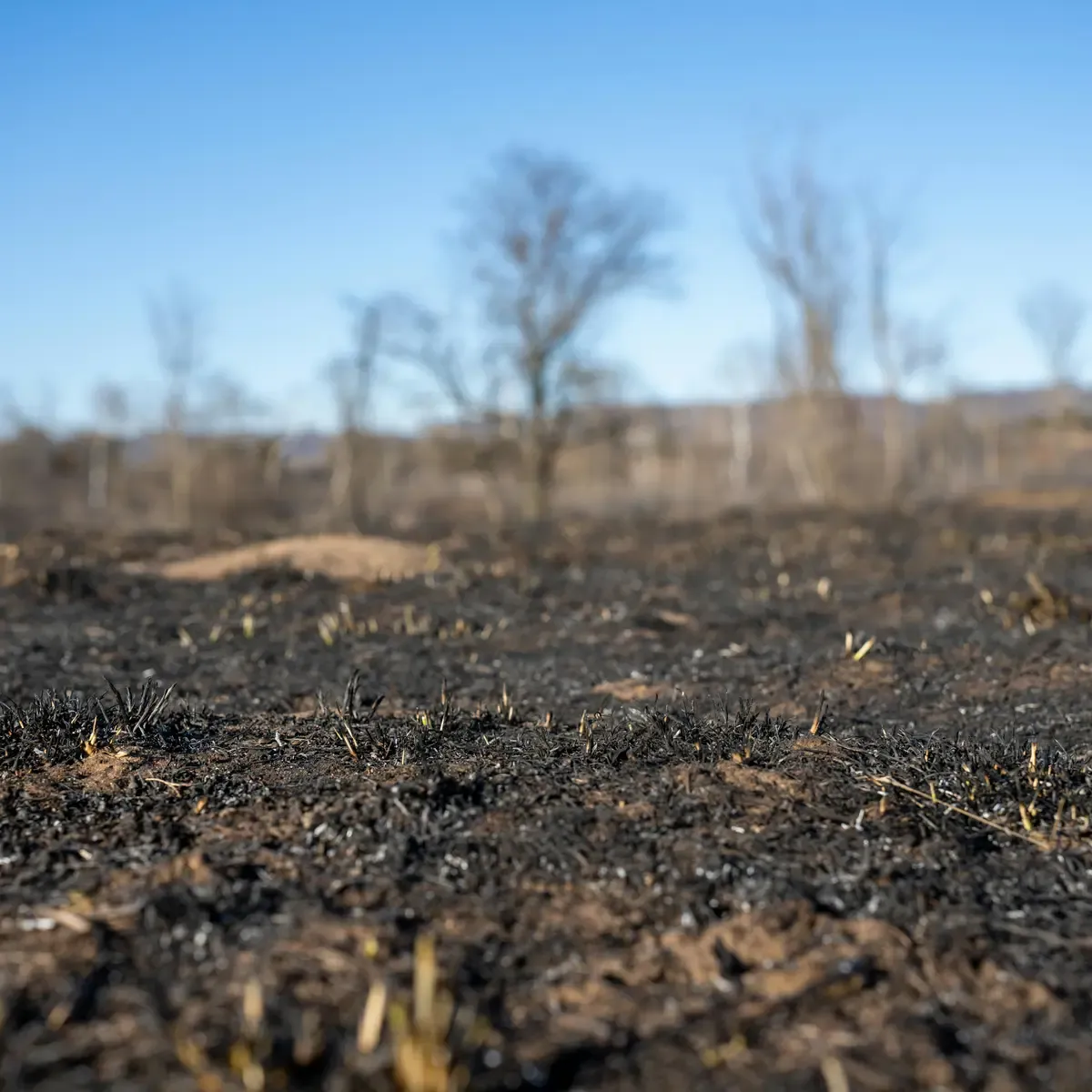
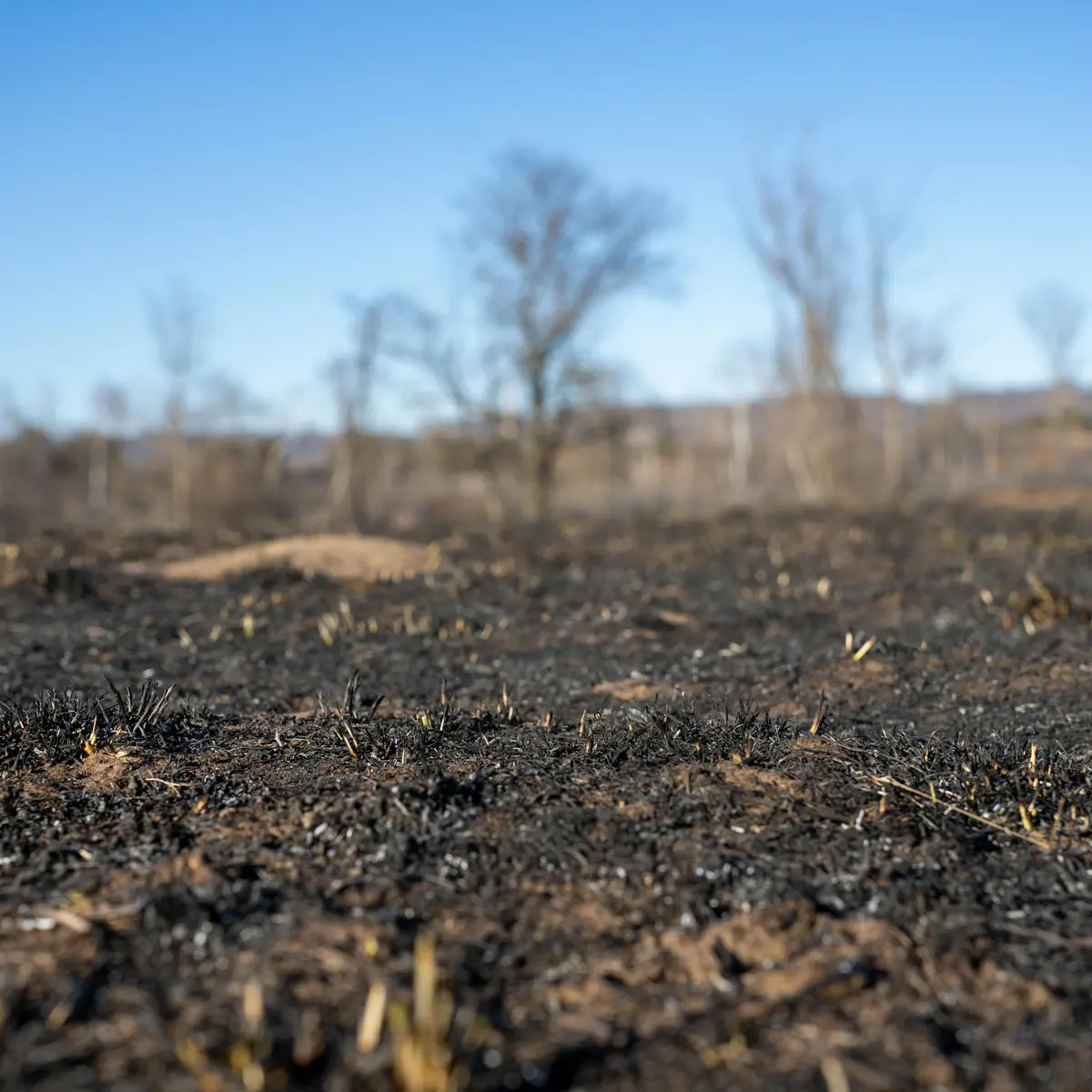
Pull the herd out at lease-end and the land is exactly as you found it. No posts to recover. No wire to roll up. No awkward conversations about who owns the gate hung in 2023. The base station leaves on the truck with the animals.
The connectivity question matters most on country you don't own.
Cellular IoT works where the carrier coverage is, and the carrier coverage is wider than most operators realise — most pastoral leases have at least patchy reception, and patchy is enough. Where it doesn't reach, eShepherd's base station runs a private LoRa network as a fallback, providing the herd-to-platform link without depending on any external network at all.
Either way, the herd talks to the platform, the platform talks to you, and the lease's lack of infrastructure stops being the constraint that decides where you run cattle. The dead zone on the carrier map is no longer the limit of where you can run virtual fencing.
Take the agistment block that's eight hours away. Take the Crown ground that ran without a tenant for two years because no one wanted the fencing bill. Take the short-term lease that opens up after a flood, where the previous setup was washed out and there's no time to rebuild before the season turns. The base station is the only thing you bring with you, and it leaves with you when the lease is up.
Capital that used to sit in fence wire now sits in animals.
The lease pays back faster, because the entry cost is dramatically lower. The marginal block becomes a real opportunity instead of a wishlist item. The next agistment offer becomes a yes instead of a maybe. The seasonal arbitrage between tight country at home and cheaper feed over the back becomes a strategy you can actually run, not a thought experiment.
For the contract grazier — operators whose entire business is taking other people's cattle on other people's land — the unit economics shift entirely. The fencing capex that used to limit which blocks were viable goes to zero. Every offer becomes a real conversation.
Grazing pressure goes where the feed is. Capital goes where it compounds. The fence stops being the bottleneck on which country you can run.
Leave the land as you found it.
And take the data you built on it with you.