Precision grazing with eShepherd in Alberta's drylands
“It meant I could move four times a day on half-acre paddocks with about 300 animal units. That's 600,000 to 700,000 pounds per acre.”
Nick Kunec · Bonnyville, Alberta, Canada
Nick Kunec didn’t grow up on a farm. But when he took over his family’s land in 2017, he brought a fresh perspective and a bold vision for regenerative agriculture.
By 2019 he had transitioned the operation, introducing cover crops and moving toward organic certification. The grazing system was the piece that transformed everything else. “Grazing is probably one of the most important things to have a successful operation. Especially in our environment.”
Located in the unpredictable, often challenging climate of Bonnyville, Alberta — annual rainfall under 10 inches for the past five years — Nick has learned to make every drop count.
From fences to flexibility
His introduction to eShepherd started with an internet search. He reached out to every supplier he could find, liked what the eShepherd team offered, and took the plunge.
The shift from labour-intensive electric fencing to a precision virtual system unlocked ultra-high-density grazing without physical barriers.
“It meant I could move four times a day on half-acre paddocks with about 300 animal units. That’s 600,000 to 700,000 pounds per acre. It creates a competitive environment for forage, which encourages the cows to graze more evenly and consume a wider variety of plants.”
Managing drought with precision
In a region where rainfall is unpredictable, Nick uses eShepherd to intensify grazing on his most productive ground and extend rest periods across the rest. Pastures recover even during dry spells. “As you compress your farm into smaller chunks, you increase utilisation and rest everywhere else. Eventually it will rain, and when it does, those rested areas are ready.”
This approach has let him avoid destocking through drought — something many of his neighbours have had to do. “I’m actually looking to buy more cows. It’s not going to work for every animal, but with the right genetics and management, it’s a game-changer.”
Clearing brush with cattle power
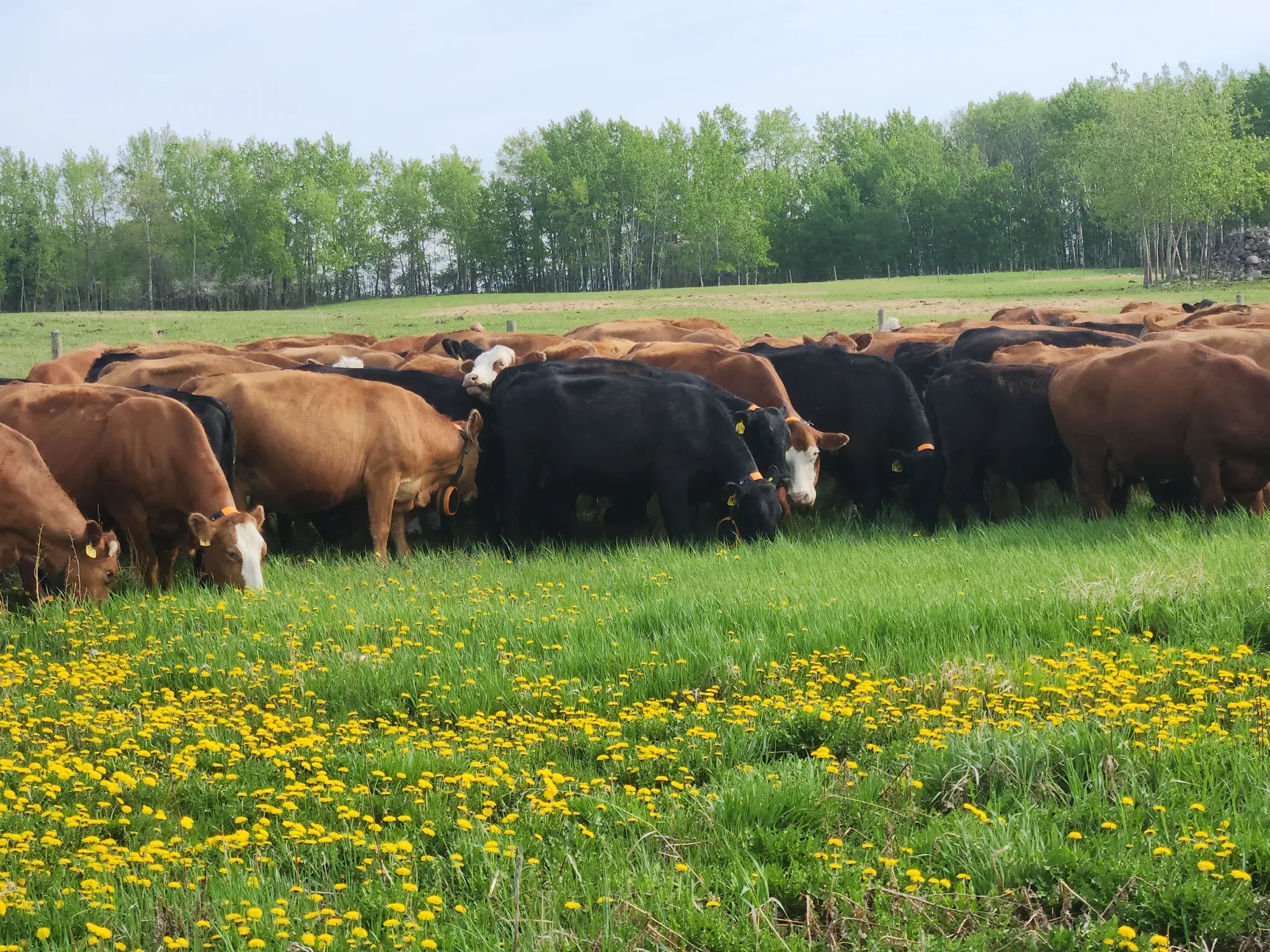
Nick uses his “300 cow power mob” to take on brush encroachment that used to require sprays or mechanical clearing. By grazing dense, brushy zones, the cattle knock back invasives, open the canopy, and create conditions for grass to return.
“It’s just a pain to try and put an electric fence through that kind of terrain. But with eShepherd, I can run strips through the bush and get the impact exactly where I want it. It’s some of the coolest grazing I’ve done.”
He’s seen it work. “You get sunlight, you get manure, and suddenly there’s opportunity for grass to grow where it never did before. It’s slow, but the potential is unbelievable.”
Adapting the herd
Training was quick — under a day. Even his “fence-crawler” heifer, known for escaping electric fences, stayed with the herd all season. Nick is also selecting genetics that thrive under his system. “Over time, I’m building a herd that’s epigenetically adapted to this way of grazing.”
The calves don’t wear collars and that’s not a problem. They stay close to the cows when small, then range further as they grow. “Now there are calves half a mile away. They’re everywhere.” The cows stay calm and the herd stays contained. Visually the calves look strong — Nick is waiting for the scale to confirm it.
More time for life
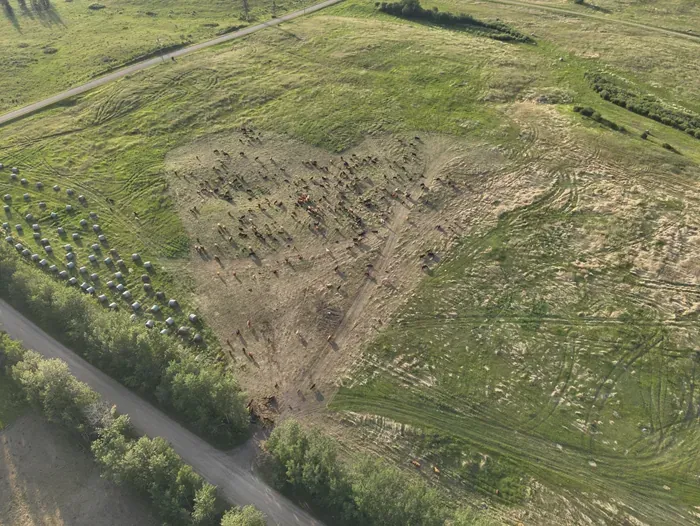
With the eShepherd web app, Nick draws paddocks, schedules moves, and occasionally gets creative. “I drew a heart in the pasture just to see if it would show up on Google Maps. It did.”
The flexibility has freed him up. A recent trip to Manitoba and Vancouver saw him pre-schedule eight or nine moves before leaving. “It was like I never left.”
Looking ahead
As winter approaches, Nick is testing eShepherd in low-light, snowy conditions — looking at whether cattle can graze beneath the snow in a controlled way and reduce bale feeding. “If we can graze all winter, we’d save a fortune.”
For Nick, eShepherd is a catalyst. “You can use these animals to impact the land in a way that pushes it forward. It’s about working with nature, not against it. That’s the future I want to be part of.”