Fencing is one of the most expensive and labour-intensive parts of running cattle. Posts, wire, strainers, gates, and the time to put them up. Then the time to fix them when a tree falls, a flood goes through, or a bull decides he wants to be somewhere else. Once a fence is up, it stays where you put it. Your country changes with the seasons. Your fence does not.
Virtual fencing changes that. Instead of wire, you contain and move cattle from your phone. This guide explains what virtual fencing is, how Gallagher eShepherd works, and why
What is virtual fencing?
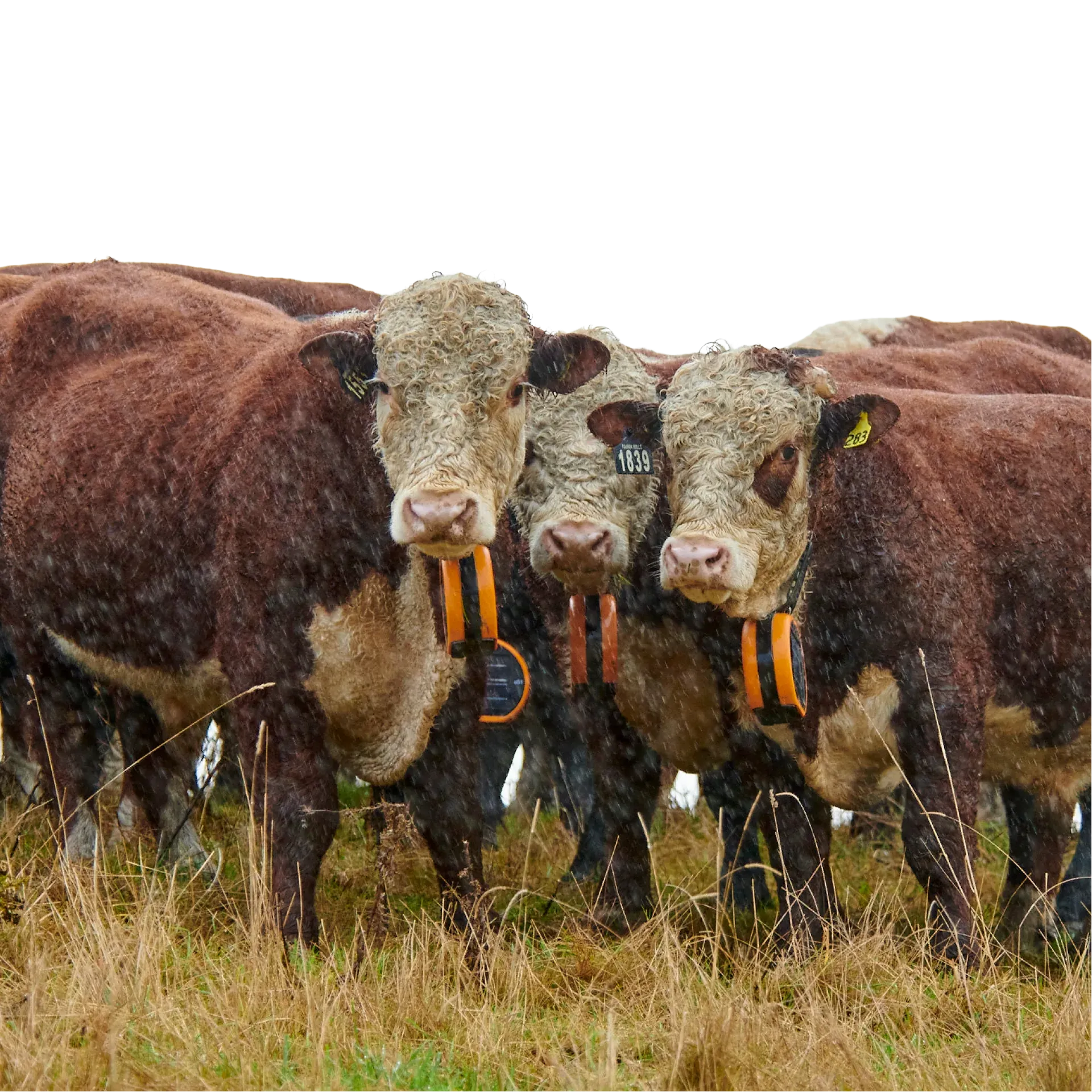
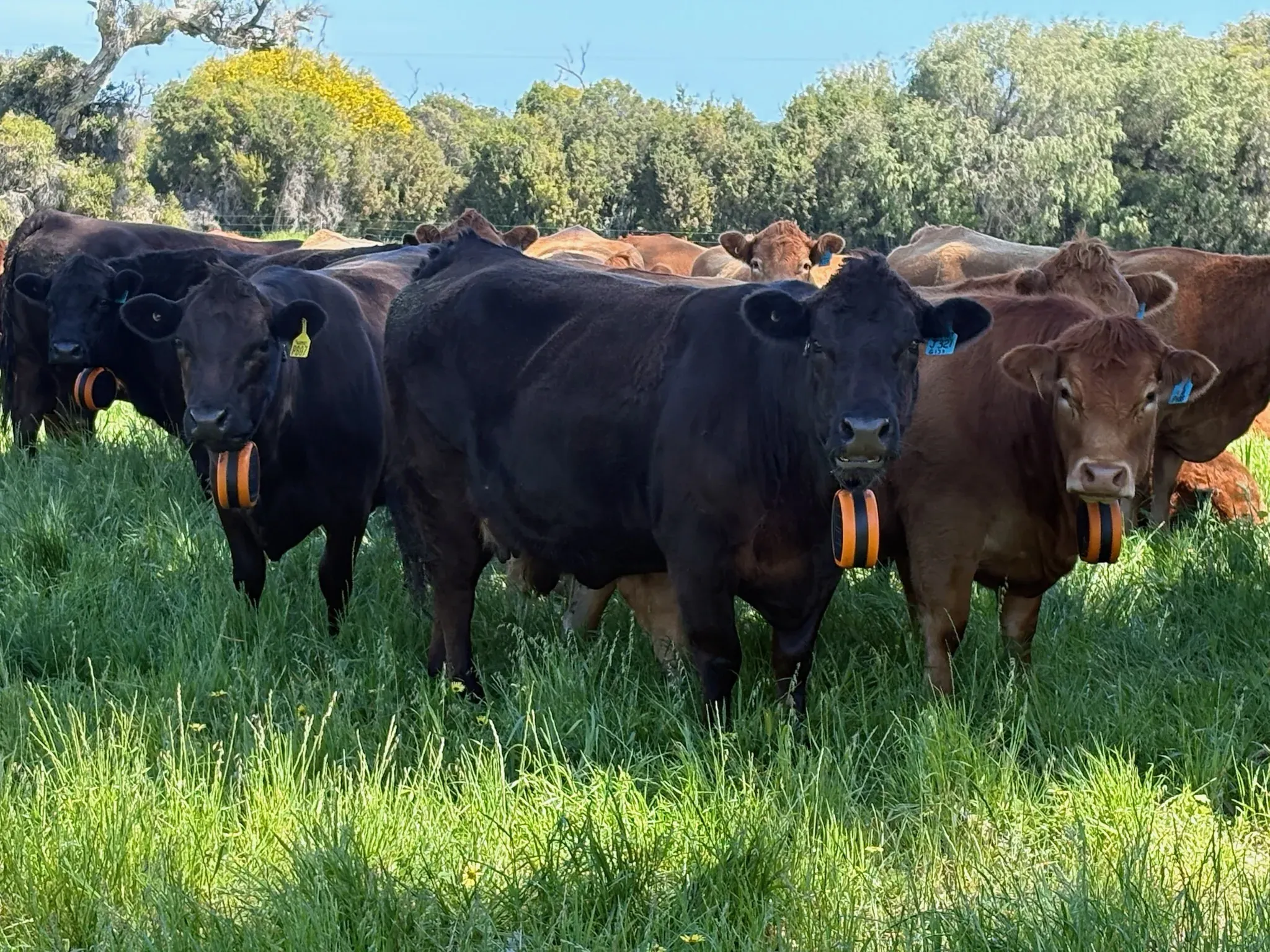
Virtual fencing is a livestock management technology that uses GPS-enabled neckbands and a software platform to contain and move cattle without physical fences. You draw boundaries on a map. The cattle wear neckbands. As an animal approaches a boundary, the neckband plays an audio cue. If the animal keeps going, it gets a brief, low-energy pulse, similar to an electric fence but milder.
The result is a fence you can move in seconds, from anywhere, without lifting a post.
How eShepherd works
eShepherd is Gallagher's virtual fencing system. It uses solar-powered, GPS-enabled neckbands and a web and mobile app to manage cattle remotely.
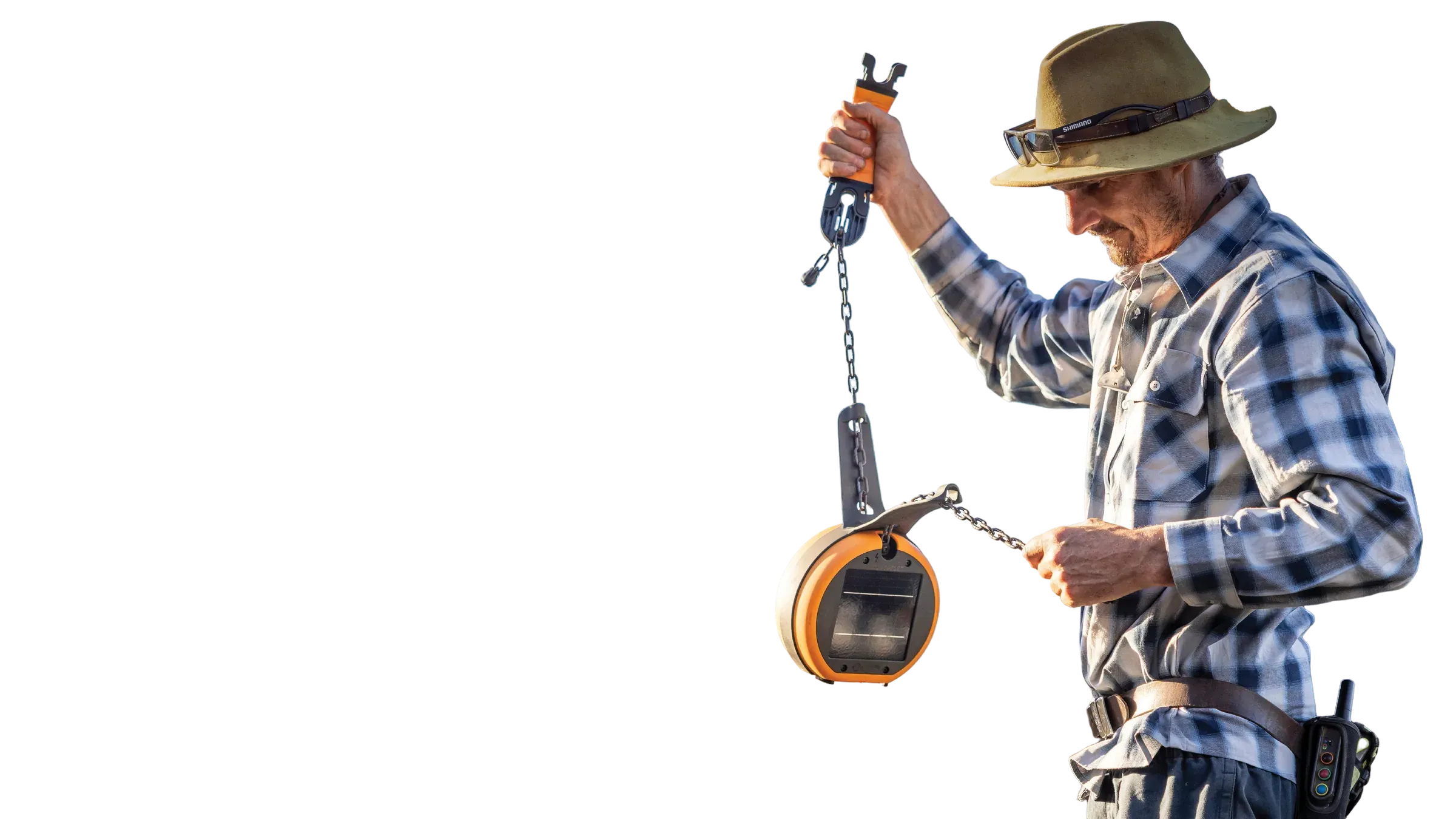
Each animal wears a rugged neckband fitted with GPS, sensors, an EID tag, and a small speaker. You log into the eShepherd app on your phone, tablet, or computer, draw your fences on a satellite map of your
When a cow approaches a virtual boundary, the neckband plays an audio cue. If she turns away, that is the end of it. If she keeps going, she receives a short, low-energy pulse. The cue is consistent and predictable, so cattle quickly learn to respond to the sound and avoid the pulse entirely. Most herds settle into the system within about seven days of training.
eShepherd gives you two ways to connect the neckbands. The right choice depends on your country.
Cellular connectivity. Each neckband has a SIM and connects directly to the local mobile network using IoT bands designed for rural coverage. No base stations to install. No infrastructure cost. You turn the neckbands on, fit them, and you are running. Gallagher manages the network connection in the background. This option suits
LoRa base stations. For remote country with patchy or no cellular coverage, eShepherd uses long-range LoRa base stations installed on your
The neckbands are solar-powered and designed to run for years. They keep working and keep cattle contained even when out of communication range, because the fence boundary is held on the device itself. When the neckband comes back into coverage, it syncs.
eShepherd also includes two features built specifically for extensive grazing:
Scheduled Move lets you queue up a series of
Panic Detection monitors animal behaviour and disables the virtual fence if an animal bolts or shows signs of distress. The cow gets out of the situation without resistance. Once she settles, the system puts the fence back in place and guides her back.
Why ranchers producers use eShepherd
Most cattle operations are constrained by fence. How much you can build. How much you can maintain. How often you can shift it. That constraint shapes how you graze, how many
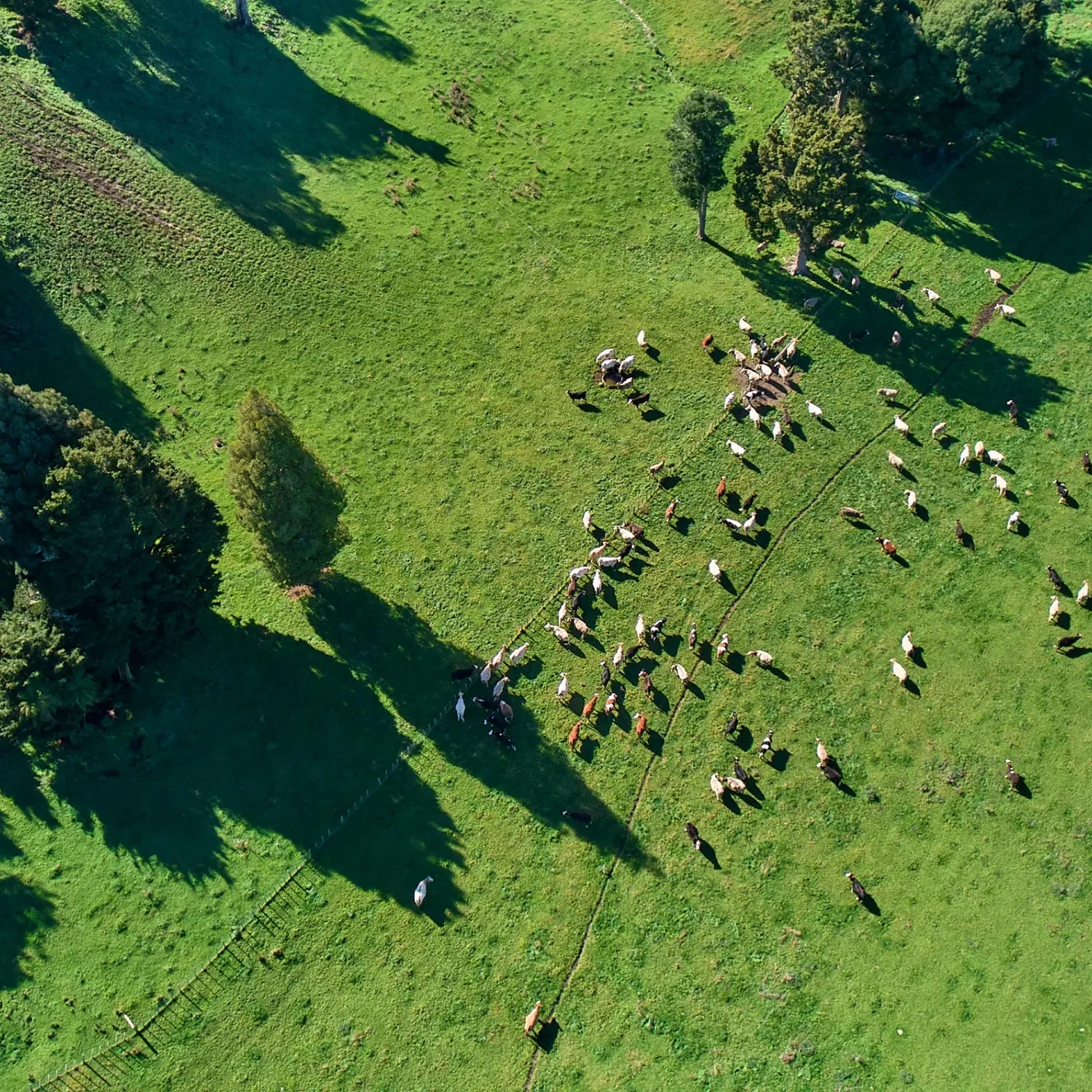
Virtual fencing removes the constraint. With eShepherd, you can break a
- More feed out of the same country. Tighter rotations and shorter grazing windows lift utilisation. Some operations have moved from around 50% to 90% pasture use on hill country and rangelands using virtual fencing.
- Less labour. One person can manage rotations that previously needed a team.
Gathering, riding fence, and rolling out portable wire Mustering, fence repair, and standing-up portable wire largely disappear. - Real-time visibility. Every animal's location is on the map. You know where the
herd mob is without driving the fence line. - Better land outcomes. Riparian zones, erosion-prone country, and sensitive ground can be fenced out without building anything.
- Earlier health alerts. Behaviour data flags animals that have stopped moving or are behaving unusually, so you can check on them before a small problem becomes a big one.
Virtual fencing vs traditional fencing
The differences come down to flexibility, cost structure, and what you do with your time.
Traditional fencing
- High upfront cost in materials and labour
- Permanent placement, hard to change
- Ongoing maintenance and repair
- Days or weeks to build
- Fixed control over where cattle can go
Virtual fencing with eShepherd
- Buy the hardware once. You own it.
- Boundaries change in seconds from your phone
- Solar-powered neckbands, low maintenance
- Set up and adjust fences instantly
- Precise control that adapts to conditions
A traditional fence puts cattle in one place. eShepherd puts your management in your hand.
You own the hardware
With eShepherd, you buy the neckbands and base stations outright. They are your equipment. There is no high per-head ongoing subscription that scales with your
Who eShepherd is for
eShepherd works across a wide range of cattle operations.
- Extensive
beef ranches beef operations running thousands of head over large country use it to break bigpastures paddocks into smaller cells, rotate without shifting wire, and reduce reliance ongathering crews mustering teams . - Hill country and rough terrain where building and maintaining traditional fence is hard, expensive, or unsafe.
- Mixed country with sensitive zones that benefit from being temporarily fenced out, including
riparian corridors and erosion-prone ground riparian zones, Reef-catchment country, and erosion-prone gullies . - Family operations looking to do more with the same labour. One person can manage rotations that used to need two or three.
Smaller acreages Lifestyle and smaller blocks where cellular connectivity removes the cost of base stations entirely.- Intensive cell grazing operations that want sub-daily moves without being tied to the
ranch property to walk the wire.
eShepherd is purpose-built for cattle and for extensive grazing. The hardware, the connectivity, and the software are designed around the conditions cattle actually live in.
Common questions
Does virtual fencing hurt the cattle?
No. The audio cue comes first. The pulse only happens if the animal ignores the cue and crosses the boundary. The pulse is short and significantly lower energy than a standard electric fence. Most of what cattle experience day to day is sound, not pulse. Animal welfare has been a design priority through every generation of the hardware, and trials have run under animal ethics approval.
How long does it take cattle to learn?
Most herds learn the system in about seven days. They learn to respond to the audio cue and avoid the pulse, and from then on the cue alone is enough to hold the boundary.
What happens if a cow bolts through the fence?
The Panic Detection feature picks it up. The neckband sees the unusual movement, the virtual fence is automatically disabled for that animal, and the pulse stops. Once the cow returns to a normal walking pace, the system puts the fence back in place and guides her back to where she should be.
What if the neckband loses signal?
The fence is held on the neckband itself, so cattle stay contained even outside coverage. The neckband syncs the next time it has signal. This is one of the reasons eShepherd works on country where cellular coverage is patchy.
What happens if a neckband runs out of charge?
The neckbands are solar-powered and designed to run year-round. In rare cases where one drops below charge, you swap it for a spare and let it sit in the sun.
Can I use it without base stations?
Yes. The cellular variant connects each neckband directly to the local mobile network. No base stations, no per-station infrastructure cost. If your country has reasonable cellular coverage, this is usually the fastest path to a working system.
Does it replace all my fencing?
Most
What does it cost?
You pay for the hardware once. Neckband pricing scales with order quantity. Connectivity is either cellular (managed by Gallagher) or your own LoRa base stations. There is no high per-head subscription. Total cost depends on your
How does eShepherd integrate with the rest of my Gallagher gear?
It is built to work alongside Gallagher weigh systems, EID readers, and animal management tools. The neckband includes EID, so individual animals are identifiable end to end. If you already use Gallagher equipment, eShepherd slots into the same ecosystem.
How long do the neckbands last?
The neckbands are designed for long deployment in the field, with a multi-year warranty. The hardware is built to handle the dust, mud, heat, and wet that cattle live in.
What is the learning curve?
Most
Why eShepherd
A few things set eShepherd apart.
Built by Gallagher. Gallagher has been making livestock fencing and animal management equipment since 1938. eShepherd is the digital extension of that. It is engineered for paddock conditions, supported by a company that has been doing this work for a long time.
Two connectivity options. Cellular for fast, low-cost setup where coverage is good. LoRa base stations for remote country where it is not. You pick what fits your
You own the hardware. Capital purchase, no high ongoing subscription, no per-head fee scaling with the size of your
Solar-powered and rugged. Long field life, no battery swaps, built for the weather and the wear that comes with cattle.
Real features for real grazing. Scheduled Move for rotational grazing without going back online for every shift. Panic Detection for animal welfare in unexpected situations. Real-time location and behaviour data for every animal.
Backed by Gallagher service. Local support, training, and a company that is going to be here for the long haul.
The future of fencing
Cattle
If you want to see what eShepherd could do on your country, the next step is a conversation. Tell us about your operation and we will work through whether eShepherd is a fit, what setup makes sense, and what the numbers look like.