USE IT FOR
Crop grazing
Stubble. Cover crops. Dual-purpose wheat and barley. Fodder crops. One field, two enterprises, zero temporary fencing.
Cropping country runs huge fields. The boundaries that suit a
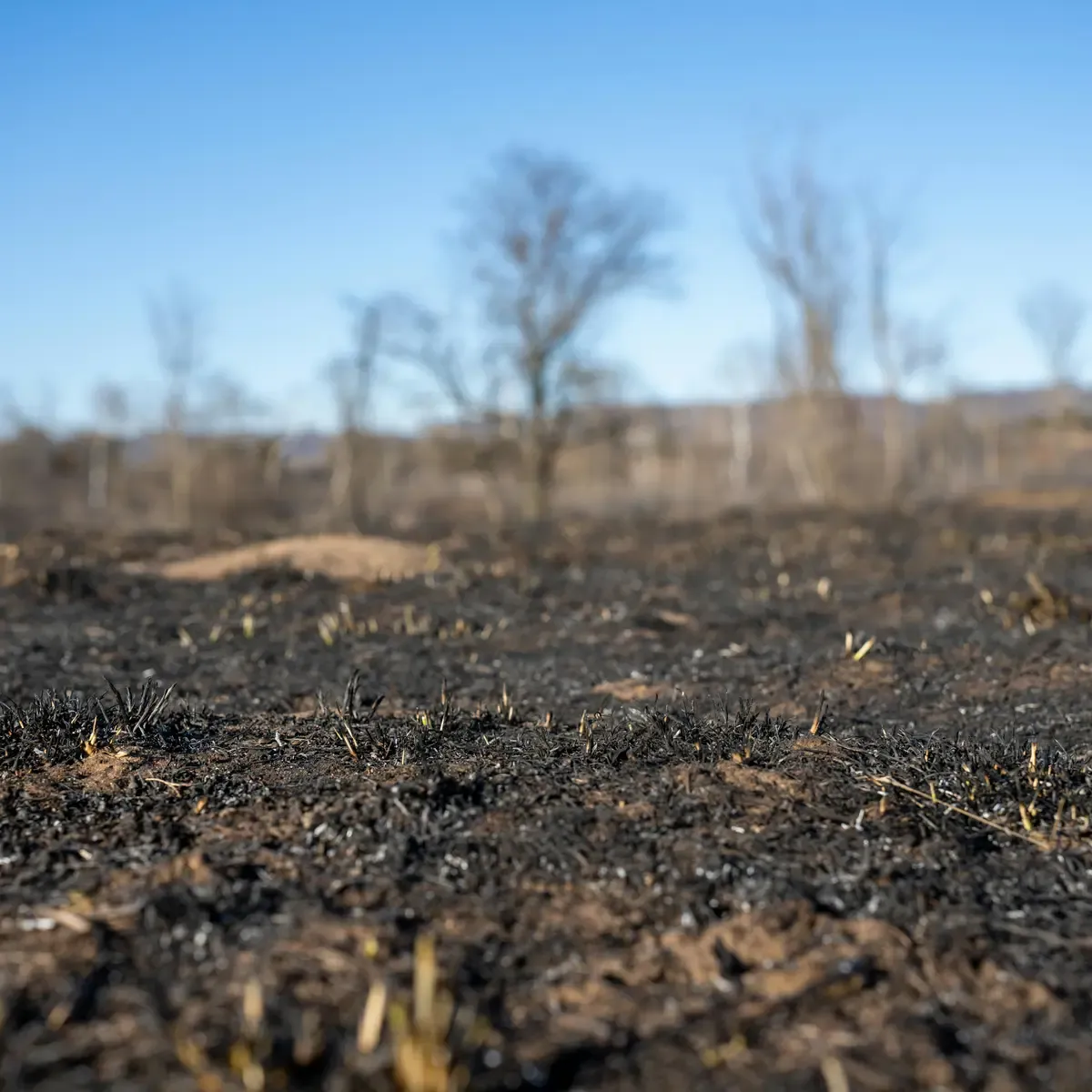
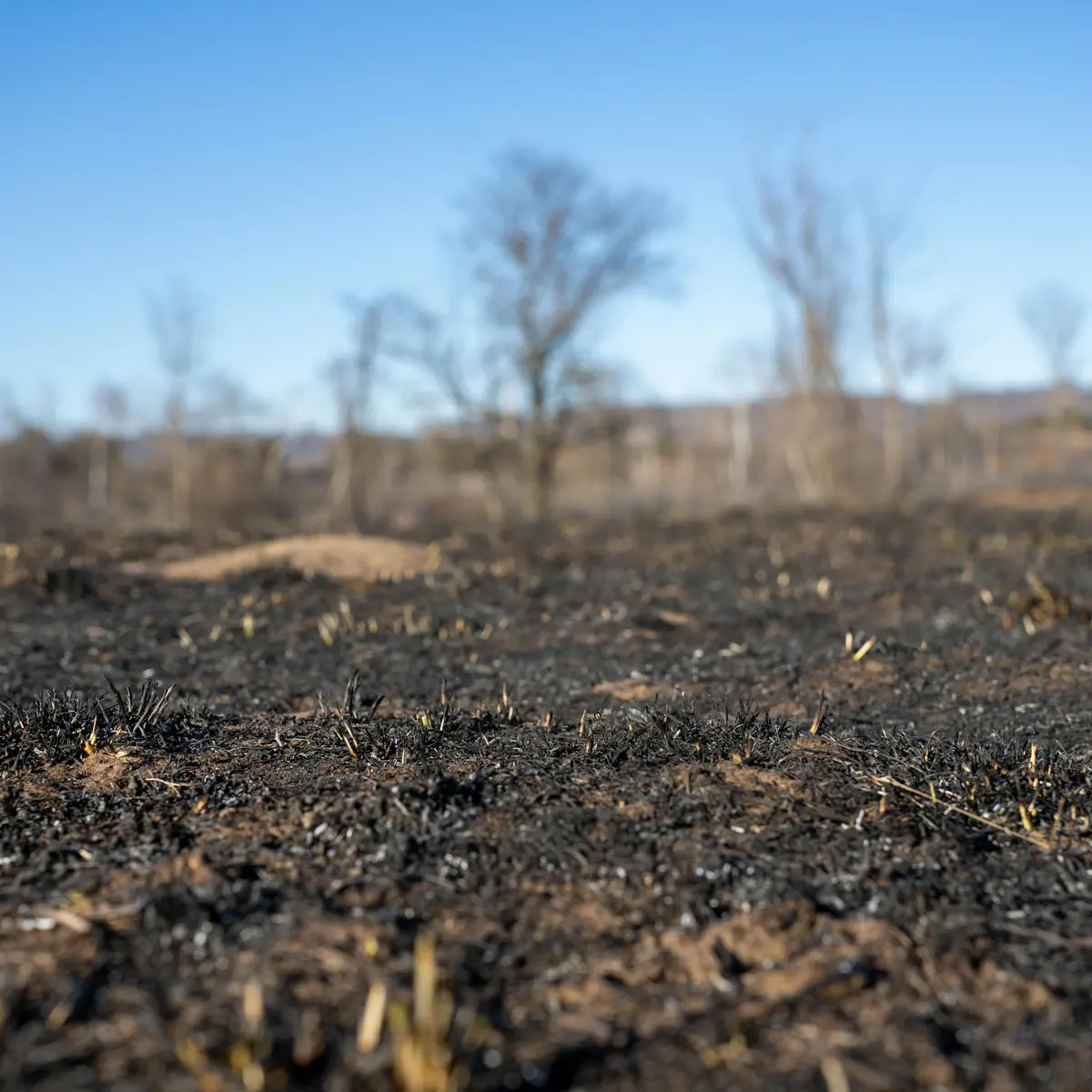
Stubble grazing is the obvious example. After harvest, the field carries weeks of feed value — spilled grain, leaf, regrowth, weed seeds the operator would rather not see germinate. Running cattle through it cycles nutrients, suppresses weeds, and reduces the cost of going into the next crop. The catch is that the field is fifty hectares or two hundred, and grazing it as a single block burns the feed in three days and leaves the rest of the value on the ground.
Same shape on dual-purpose crops. A wheat or barley crop grazed in vegetative phase puts weight on cattle and lifts grain yield, but the window between safe grazing and damage to the growing crop is short and field-specific. The conventional answer is electric tape on
So the stubble gets a single uncontrolled graze, or none at all. The cover crop sits unused because the fencing maths doesn't work. The dual-purpose crop gets sown but rarely grazed because the operator can't justify the labour. The feed that the rotation should be picking up gets left on the ground, every season, on every cropping operation.
Strip the field in software.
Draw a strip across a fifty-hectare stubble. Move the mob through it on schedule. The strip can be five hectares wide or two — whatever fits the mob and the feed value. Redraw the strip tomorrow without driving to the field, without rolling out tape, without dropping a single
A field that used to deliver three days of grazing now delivers three weeks of structured grazing, and the cattle exit on the same day the operator decides — not the day the manager has time to get out and roll the fence in.
On dual-purpose crops, the value gets sharpest.
A wheat or barley crop grazed in vegetative phase, lifted off before stem elongation, delivers a meaningful weight gain and a grain yield equal to or better than the ungrazed comparison. The literature has been clear on this for decades. The operational problem has always been the timing — knowing the day to lift the cattle off, and being able to lift them off without spending two days re-fencing.
eShepherd takes the timing question and makes it operational. The cattle are on the crop for the window you set. The boundary holds the strip you draw. The day the agronomist says lift them off, the operator redraws the boundary and the mob moves to the next field, the stubble, or the back paddock. No temporary fencing to roll up. No regret about leaving them on a day too long because pulling them off was a hassle.
The dual-purpose enterprise stops being an experiment and starts being a real line on the budget.
Cover crops finally pay back what they cost. Stubble residues get used. Dual-purpose crops deliver both yields, not one. The rotation between cattle and cropping runs off one map, and the field that used to host one enterprise hosts two.
For the operator, the unit economics shift. The cropping margin lifts because the cattle improve the system rather than competing with it. The cattle margin lifts because the feed bill is replaced by feed that was already grown for the other enterprise. The labour line — the one that used to swallow the weekend every time the stubble came off — disappears.
The mixed enterprise becomes more profitable than either enterprise running alone. The textbook always said it would. The fencing always said it wouldn't.
The same field. Two enterprises.
And nothing to roll up at the end.