USE IT FOR
After the disaster
Fire, flood, cyclone, drought. Different events, one common problem — the fencing's gone or the country's changed, and the herd doesn't wait. eShepherd holds the boundaries while the rebuild happens.
Disaster looks different every time. The list of what's broken is always the same.
Fencing. Sometimes miles of it. Pasture, either burned, scoured, or refusing to grow. Water lines, gates, lanes,
And through all of it, a herd that still needs feed, still needs containment, and still needs to be kept off the country that's trying to recover.
The traditional answer was to wait. Wait for fencing contractors, who are usually booked solid because every neighbour is in the same situation. Wait for pasture to come back. Wait for the season to turn. The herd waits with you, on whatever ground you have left, while the operation absorbs the cost of standing still.
Boundaries up the day the event ends.
Whatever's still standing is enough. A base station on the
No posts to drive into hot ground. No wire to roll out across scoured paddocks. No waiting on a contractor list that's two months long. The fence moves at the speed of a decision, and the rebuild happens in the background on its own timeline.
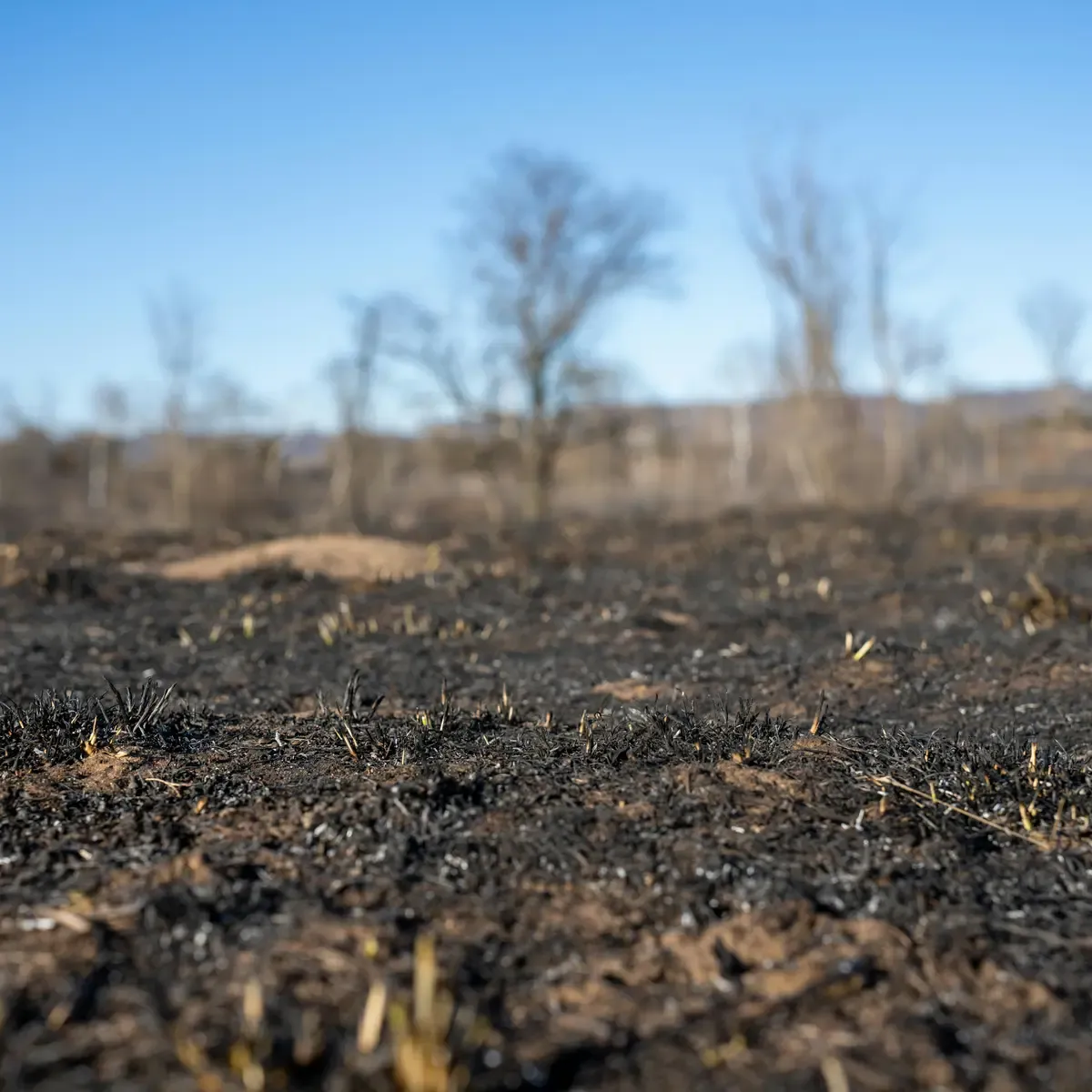
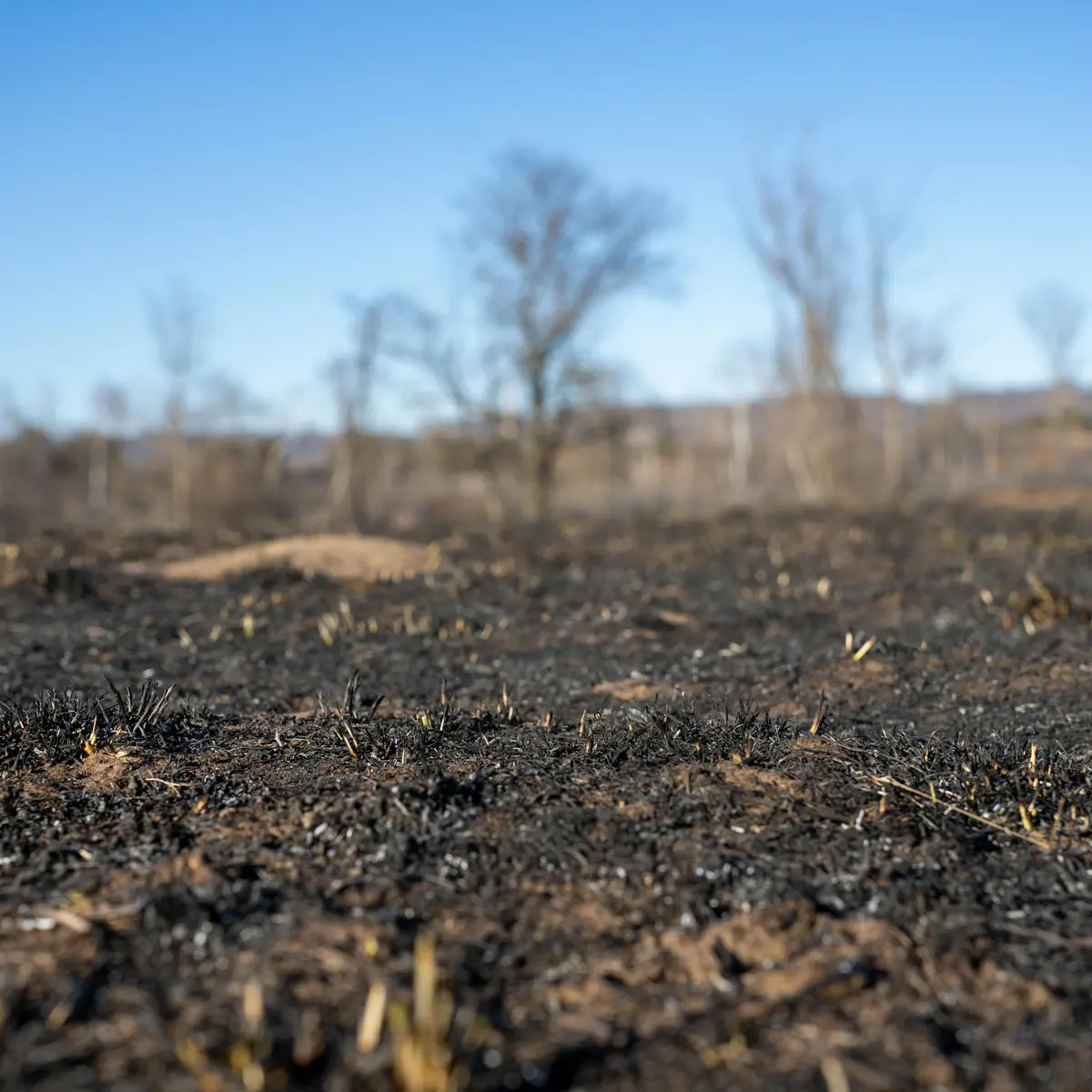
After a fire, the fragile country gets locked off the moment the embers cool. Recovering pasture. Native regrowth. Exposed topsoil. All of it stays cattle-free without a single post going in.
As the grass comes back, the boundary moves with it. Lift the line one paddock at a time, in lockstep with what the ground can carry. The country that was hardest hit gets the longest rest. The country that came through stronger goes back into rotation first. Recovery happens at the rate the soil dictates, not the rate the contractor schedule allows.
After a flood or cyclone, the river didn't just take the fences. It changed the country.
Drainage lines moved. Gullies opened where there weren't any. The riparian buffer washed through and reshaped. Cyclone country comes out the same way — scoured, rearranged, infrastructure flattened. The boundary that was right last week is wrong this week.
Redraw it to fit the new contour, not the old one. Pull cattle off the unstable banks where the river's still finding its new line. Open up the country that came through intact. Nothing left to wash out the next time it rains hard, and the rebuild on the permanent infrastructure can take its time.
In a drought, the constraint flips. The feed isn't where the fences are.
The feed is in the
When the rain comes, the system reverses. Pull the mob back. Lock off the recovering country. Let the response happen without grazing pressure.
The herd keeps moving. The country keeps recovering. The operation stays alive.
Fencing contractors will get to it. Pasture will come back. The river will settle. The drought will break. None of that happens on a schedule the herd respects, and the cost of waiting compounds with every week the operation runs on holding ground.
eShepherd takes the wait out of the recovery. The grazing is managed from day one. The recovery happens without grazing pressure on the country that can't take it. The herd ends up better through the event than it would have otherwise, and the rebuild gets done on a real timeline instead of an emergency one.
The country breaks.
The system holds the line until it comes back.