Rotational grazing at scale across native prairie
“We decided to leverage virtual fencing because of the physical and logistical challenges of implementing rotational grazing at scale.”
Nick Jorgensen · South Dakota, USA
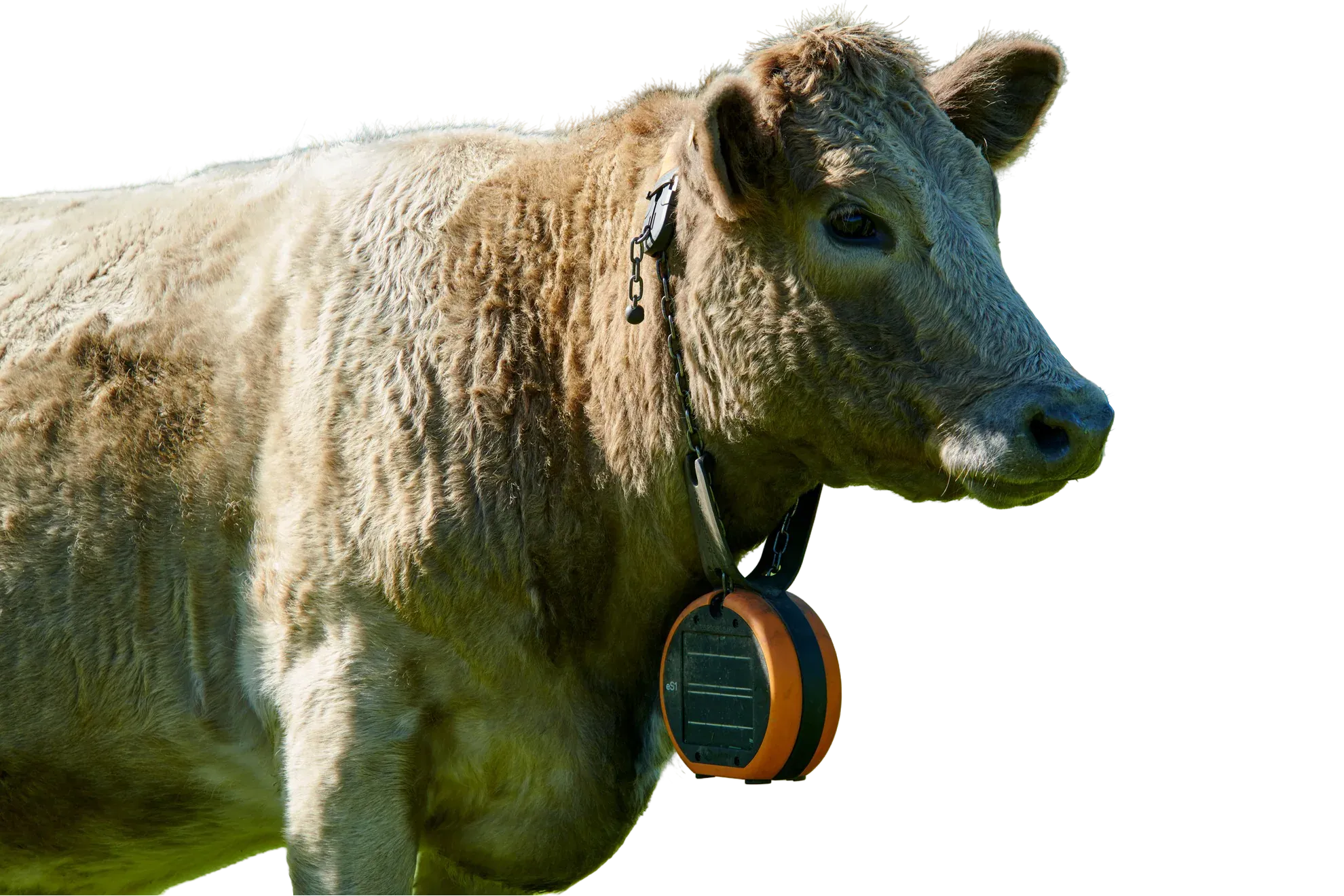
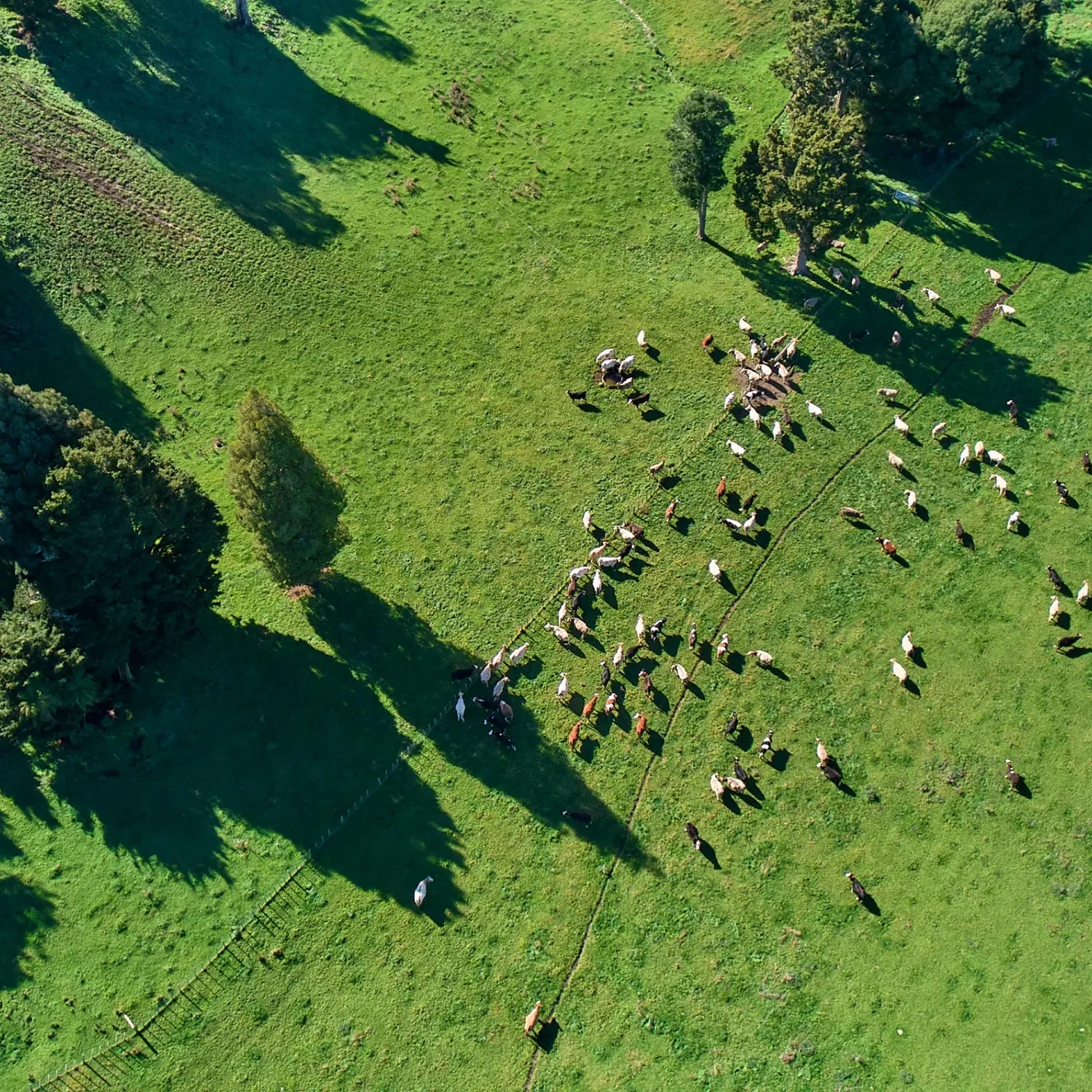
Jorgensen Land & Cattle is 15,000 acres of native prairie in South Dakota. 1,500 Angus, big sky, no permanent fence on the rotation paddocks. The prairie grasses respond to managed grazing — short, intense impacts then long rest periods. Doing that at scale, the conventional way, would mean miles of temporary wire and a crew that does nothing but move it.
The problem with conventional rotation
“We decided to leverage virtual fencing because of the physical and logistical challenges of implementing rotational grazing at scale.”
The math on physical fencing is brutal: every paddock subdivision is a wire job, every move is a labour job, and the country itself fights you — frost heaves, washouts, badger holes, prairie grass reclaiming posts inside two seasons.
What’s running now
- Six breaks per quarter section that used to be one big graze.
- 30-minute mob moves drawn on the map, with the cattle trained inside two weeks.
- Cover targets met. Pre-graze and post-graze residuals tracked through Pasture (the satellite biomass add-on that pairs with eShepherd).
The key thing for Nick wasn’t the technology — it was that the rotation finally matched what the prairie actually needs, instead of what the fence budget allowed.